Accommodation on the Go: How to Plan Lodging for Hiking and Cycling Holidays

Accommodation on the Go: How to Plan Lodging for Hiking and Cycling Holidays
When you set out on a hiking or cycling holiday, where you stay each night can shape your entire experience. From a simple tent pitched in the hills to a cozy homestay in a mountain village, your accommodation can add comfort, adventure, or local flavour to your journey. Planning ahead helps you travel smoothly, but leaving room for spontaneity keeps the trip exciting. Here’s a guide to planning your lodging on the go—tailored for travellers exploring India’s diverse landscapes.
Know Your Options
India offers a wide range of accommodation choices for active travellers, depending on your route, budget, and comfort level.
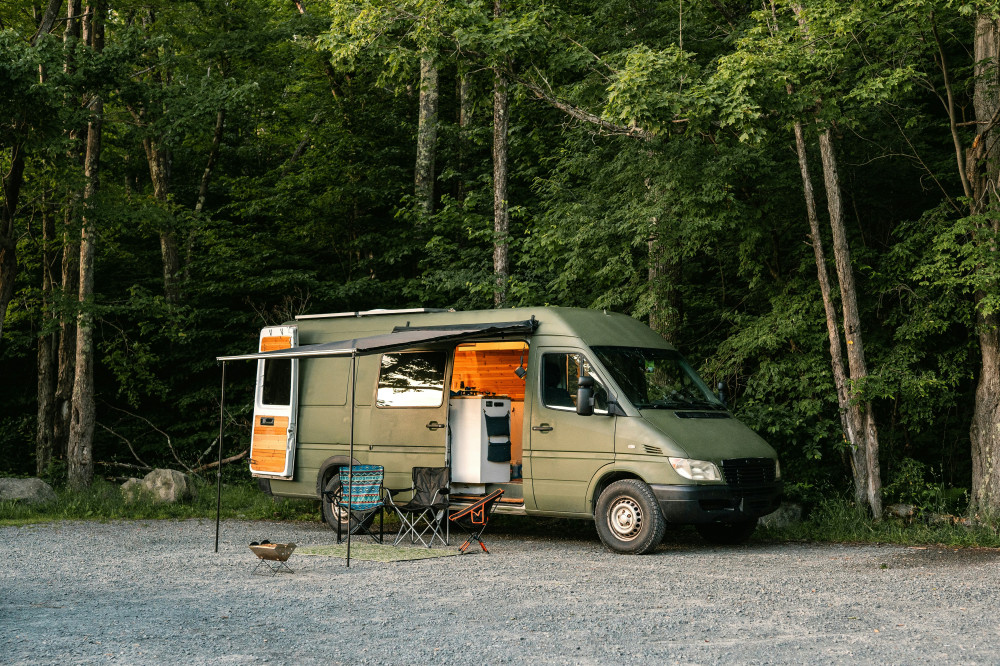
- Camping and Wild Camping – Ideal for those who love nature and independence. In many parts of India, you can camp on private land with permission or in designated forest areas. Popular camping spots include Himachal Pradesh, Uttarakhand, and parts of the Western Ghats. Always check local regulations and safety conditions before setting up camp.
- Homestays and Guesthouses – A great way to experience local hospitality. Many homestays in regions like Sikkim, Kerala, and Ladakh offer comfortable rooms, home-cooked meals, and insights into local culture.
- Eco-lodges and Farmstays – Perfect for travellers who want to stay close to nature while supporting sustainable tourism. These are often found near national parks or rural trails.
- Hostels and Budget Hotels – Ideal for solo travellers and cyclists on a budget. Hostels in cities and tourist hubs like Manali, Rishikesh, or Goa often provide secure bike storage, laundry facilities, and a chance to meet other travellers.
- Camping Resorts and Adventure Camps – Found near popular trekking and cycling routes, these offer tents or cottages with basic amenities and sometimes meals included.
Mixing different types of accommodation can make your trip more varied and enjoyable—perhaps a night under the stars followed by a comfortable bed in a village homestay.
Læs også:


Plan Around Your Route – But Stay Flexible
Good planning starts with knowing your route. How far do you want to travel each day? What terrain will you cover? And where are the possible places to stay?
For hikers, 10–20 kilometres a day is often comfortable, depending on altitude and weather. Cyclists can usually cover 50–100 kilometres, depending on road conditions and fitness. Use apps like Google Maps, Komoot, or MapMyRide to plan routes and locate accommodation options along the way.
However, flexibility is key. Weather, road closures, or unexpected discoveries can change your plans. Always have a backup—such as a list of nearby guesthouses or a lightweight tent in case you need to stop earlier than expected.
Book in Advance – Especially in Peak Season
During popular travel seasons—like summer in the Himalayas or winter in southern India—accommodation can fill up quickly. If you’re planning to stay in hotels, homestays, or camps, it’s wise to book ahead. This ensures peace of mind and saves you from searching for a place when you’re tired after a long day.
In the off-season or in less-visited areas, you can often find places on the spot. Many small guesthouses welcome walk-in travellers, especially if you arrive early in the day.
Gear and Comfort
Even the best accommodation can feel uncomfortable without the right gear. Pack light but smart.
- Sleeping bag and mat – Choose one suitable for the season and altitude.
- Tent or tarp – Lightweight models are best for hiking and cycling.
- Headlamp or torch – Essential if you arrive after dark.
- Power bank – For charging your phone or GPS device.
- Compact towel and toiletries – Many basic lodgings have limited facilities.
If you’re staying indoors, you can travel lighter, but it’s still useful to carry a sleeping bag liner and a set of dry clothes for the evening.
Respect Nature and Hosts
Wherever you stay, show respect for your surroundings and your hosts. Leave no litter, avoid loud noise, and use existing fire pits if camping. In rural or forested areas, be mindful of wildlife and local customs.
If you’re staying with a family or in a small guesthouse, inform them if you’re delayed and express gratitude for their hospitality. A small gesture—like sharing stories or bringing a token from your hometown—can create lasting connections.
Make Accommodation Part of the Experience
Your overnight stays are not just practical stops—they’re part of the adventure. Waking up to sunrise over the Himalayas, sharing tea with villagers in the Western Ghats, or chatting with fellow travellers around a campfire can become some of your most cherished memories.
Try to see each night’s lodging as an experience in itself. One night might be in a tent by a river, the next in a mountain homestay, and another in a forest eco-lodge. This variety adds richness to your journey.
A Good Night’s Rest – The Key to a Great Trip
When planning your hiking or cycling holiday, remember that good accommodation is as important as the route itself. A restful night gives you the energy and enthusiasm to enjoy the next day’s adventure. With thoughtful planning, flexibility, and respect for the places and people you encounter, you can create a journey where every night’s stay becomes a meaningful part of the story.
Læs også: