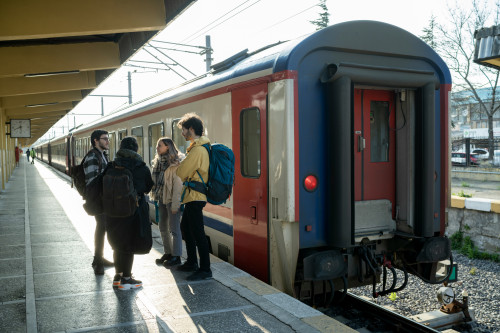
Exploring the transformative impact of car travel on modern journeys

Exploring the transformative impact of car travel on modern journeys
The Rise of Car Travel
In the past century, car travel has emerged as one of the most significant ways people navigate their worlds. Once a luxury for the few, owning a vehicle has become a standard for families and individuals alike. The automobile has transformed not just the way we travel, but also the very fabric of society, enabling mobility that was previously unimaginable.
The Freedom of the Open Road
One of the most celebrated aspects of car travel is the sense of freedom it brings. Unlike public transportation, which adheres to fixed schedules and routes, cars grant travelers the autonomy to choose their own paths. This spontaneity allows families to embark on road trips at will, exploring hidden gems off the beaten track.
The ability to stop whenever and wherever adds a layer of adventure to journeys. Whether its a scenic overlook, a small town diner, or a beautiful park, having a car allows travelers to embrace the unexpected and indulge in serendipitous discoveries.
Impact on Urban Planning and Infrastructure
The widespread adoption of automobiles has fundamentally altered urban planning and infrastructure development. Cities have expanded outward, and suburban living has flourished as car ownership became prevalent. This shift has resulted in the design of road networks, parking lots, and highways that prioritize vehicles over pedestrians and cyclists.
However, this shift comes with challenges. Traffic congestion, pollution, and the decay of public transportation systems are direct consequences of car-centric planning. Cities are now rethinking their layouts to integrate walking, cycling, and mass transit options, aiming for a balance that accommodates various modes of travel.
Economic Implications of Car Travel
The automobile industry significantly contributes to global economies. From manufacturing to sales, maintenance, and insurance, car travel generates millions of jobs and drives economic growth. The demand for fuel, automotive parts, and repair services further supports a wide range of businesses.
However, car travel also imposes costs on individuals and society. Daily commuting expenses can strain budgets, and road-related infrastructure requires ongoing investment. Moreover, the economic burden of traffic accidents and environmental degradation necessitates a reevaluation of car travels economic implications.
Environmental Considerations
While cars have revolutionized personal mobility, they have also raised pressing environmental concerns. The reliance on fossil fuels has led to increased greenhouse gas emissions, contributing to climate change and air quality deterioration. As environmental awareness grows, many drivers are reconsidering their options.
Electric vehicles (EVs) and hybrid models have emerged as sustainable alternatives, promoting cleaner travel without sacrificing the convenience of car ownership. As charging infrastructure expands and technology advances, the shift towards greener vehicles becomes increasingly feasible for the average consumer.
The Social Dynamics of Car Travel
Cars not only connect us physically but also shape social interactions. The experience of traveling together can strengthen relationships, whether it’s a family road trip or a weekend getaway with friends. The shared time on the road creates moments that become cherished memories.
However, car culture also has its downsides. Traffic congestion can lead to frustration and isolation, and the focus on individual car ownership can diminish the sense of community found in public transit. As society evolves, understanding these dynamics is crucial in fostering healthier travel habits.
Future of Car Travel
As technology continues to advance, the future of car travel is likely to undergo further transformation. Autonomous vehicles are on the horizon, promising to change how we think about driving and personal transportation. Ridesharing services are also reshaping urban mobility, offering alternatives that reduce the need for car ownership.
With a growing focus on sustainability and innovation, the next chapter in car travel will likely prioritize a balance between convenience and environmental responsibility. The integration of smart technology into vehicles promises enhanced safety and efficiency, setting the stage for a new era of automotive travel.