Exploring the future of air travel: A hypothetical scenario for planes
Exploring the future of air travel: A hypothetical scenario for planes
The Evolution of Air Travel
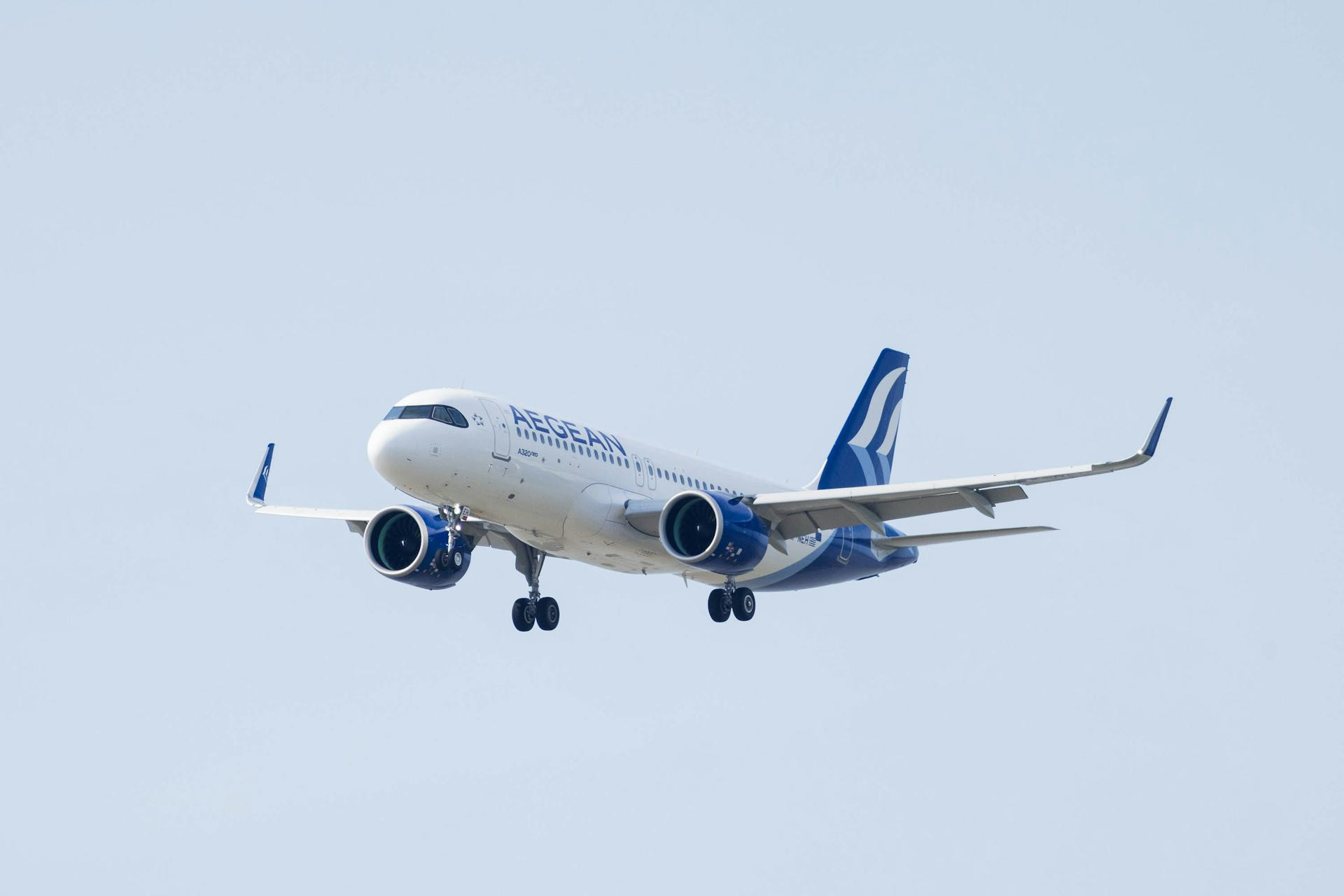
Air travel has come a long way since the Wright brothers took to the skies in 1903. The journey from propeller-driven aircraft to the sleek, fuel-efficient jets we use today is a story of innovation and imagination. As we look ahead, the skies promise even more exciting advancements. In this hypothetical scenario, we delve into what air travel might look like in the not-so-distant future.
Hyperloop Integration
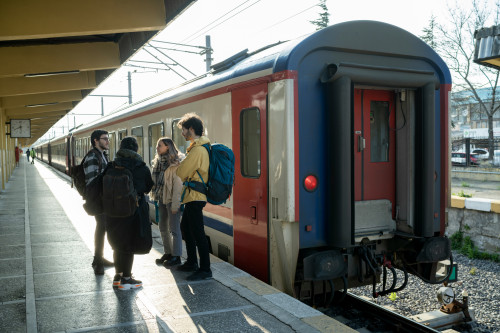
Imagine a world where air travel is complemented by other rapid transit systems. The Hyperloop, a high-speed ground transportation system, could provide seamless connectivity between airports and urban centers. Travelers might take a Hyperloop pod to the airport, arriving in just minutes, and then board a plane for longer distances. This form of integration could transform the way we think about air travel, reducing the time spent in transit.
Autonomous Aircraft
With advancements in artificial intelligence and automation, the future of piloting might not involve people at all. Autonomous aircraft could become the norm, capable of flying themselves with pinpoint accuracy. These planes would rely on sophisticated algorithms, sensors, and satellite guidance to navigate through the skies. Passengers could enjoy a more relaxed travel experience without the stress of a crowded cockpit and the complexities of air traffic management.
Green Technologies and Sustainability
As environmental concerns grow, the aviation industry is under pressure to find sustainable solutions. The future planes could use electric or hybrid power sources, significantly reducing greenhouse gas emissions. Solar panels integrated into the aircraft’s design could provide auxiliary power, enhancing energy efficiency. Furthermore, the use of biofuels derived from sustainable sources may reduce reliance on traditional jet fuel, leading to a greener aviation future.
Enhanced Passenger Experience
The passenger experience is set to undergo a transformation as well. Imagine cabins designed with augmented reality (AR) interfaces, where travelers can interact with digital screens to access entertainment, real-time flight information, or even work-related applications. Noise-canceling technology could create personal soundscapes, providing a quiet and serene atmosphere, while mood lighting adjusts to enhance comfort during different phases of the flight.
Advanced Safety Measures
Safety is a top priority in the aviation sector, and future aircraft could utilize cutting-edge technology to enhance safety protocols. Predictive analytics could analyze data in real-time to identify potential mechanical issues before they become critical. Additionally, improved evacuation systems with clearer paths and faster exits can increase passenger safety during emergencies. Enhanced training for cabin crew through virtual reality simulations could further ensure swift and efficient responses in critical situations.
Personalized Travel Solutions
As individual preferences become more pronounced, airlines might adopt a more personalized approach to travel. Customizable travel packages could allow passengers to select their meals, entertainment, and even cabin layout. Advanced data analytics could tailor experiences based on previous flights, ensuring a better match with personal preferences. This shift could lead to higher satisfaction rates and a more loyal customer base.
New Airports and Air Traffic Systems
With the rise of new technologies and aircraft designs, we can expect a reimagining of airports and air traffic systems. Vertical take-off and landing (VTOL) aircraft may require smaller, more flexible transport hubs in urban areas, leading to the development of skyports. These hubs could be equipped with advanced drone technology for efficient baggage handling and services. Improved air traffic control systems, powered by AI and machine learning, would help optimize flight paths and reduce delays, enhancing overall efficiency in air travel.
As we explore these scenarios, it becomes clear that the future of air travel will be shaped by innovation, sustainability, and a better understanding of passenger needs. The integration of new technologies promises a more efficient, enjoyable, and eco-friendly travel experience that could change the way we view aviation forever.